Tag: history
-
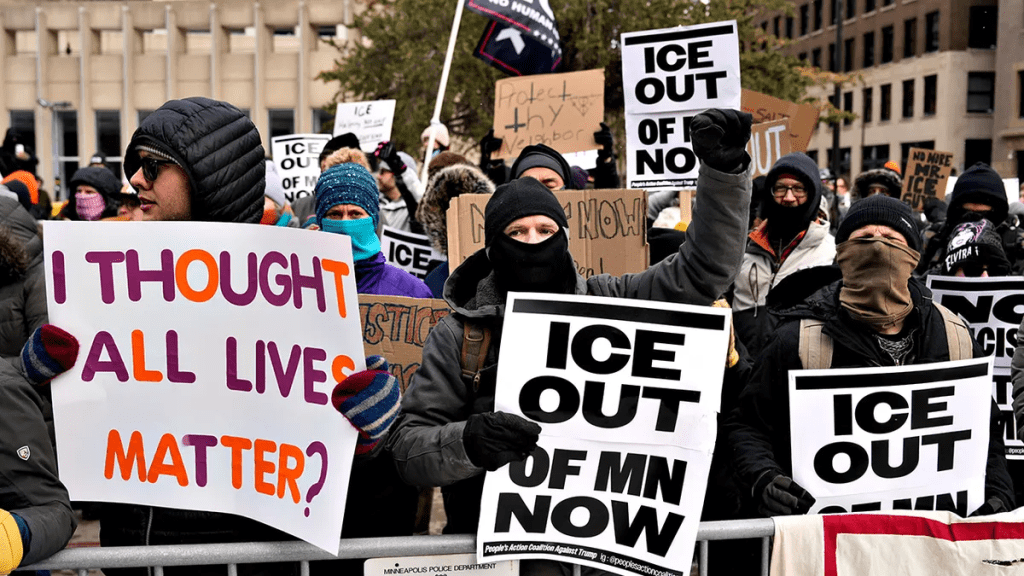
Minnesota Protests Spill Into Church as Anti-ICE Activists Disrupt St. Paul Worship Service
Anti-ICE protesters disrupted a St. Paul church service Sunday, confronting a pastor who also serves as an ICE official—fueling a heated debate over protest tactics, religious freedom, and political escalation in Minnesota.
-
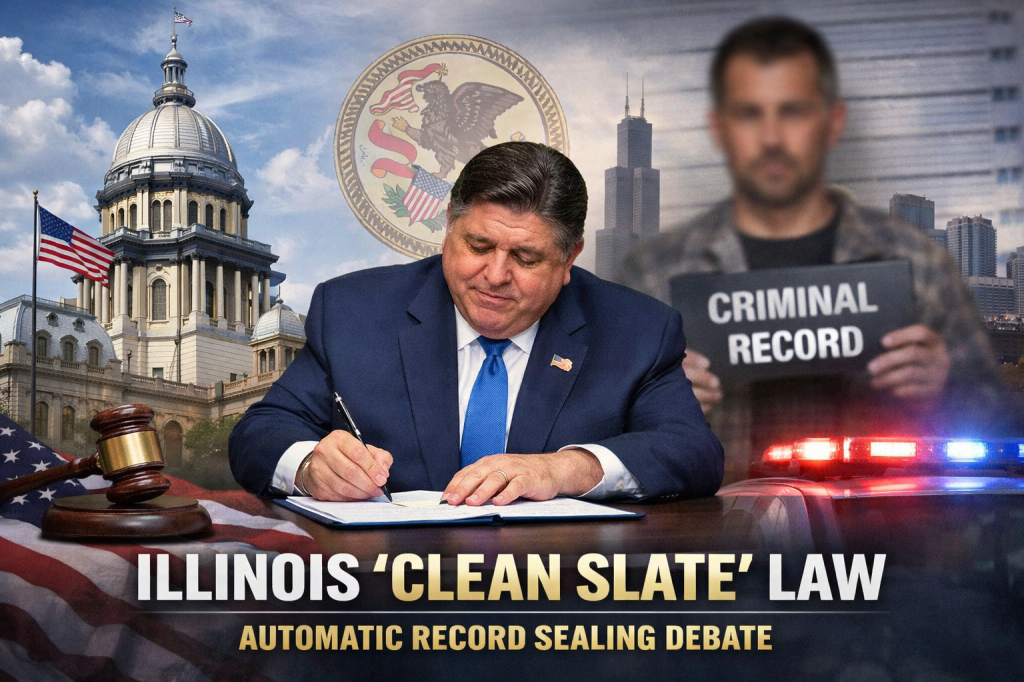
Illinois’ ‘Clean Slate’ Law Raises Familiar Questions About Accountability, Transparency, and Public Safety
Illinois has passed the Clean Slate bill, which allows automatic sealing of certain nonviolent criminal records, aiming to enhance employment and housing access. Critics question the absence of judicial review, arguing it could undermine public trust and safety, as nonviolent offenses may still pose risks. The long-term effects of this reform remain uncertain.
-

Indiana Lawmakers Revisit the “Gabby Petito Act”: A Public Safety Tool Worth Getting Right
As the 2026 legislative session begins, Indiana lawmakers revisit domestic violence response strategies. Rep. Maureen Bauer’s reintroduced “Gabby Petito Act” mandates lethality assessments by police on domestic disturbance calls to enhance victim safety and officer awareness. The bill aims for better intervention without imposing rigid mandates on law enforcement.
-

Minneapolis’ $250M Fraud Scandal Raises Uncomfortable Questions for City Hall
The ongoing federal investigation into Minnesota’s Feeding Our Future fraud case has cast doubt on Mayor Jacob Frey’s administration amid connections to individuals implicated in the $250 million scheme. While Frey and his wife have not been charged, their associations raise concerns about political oversight and accountability, highlighting vulnerabilities in government spending and ethics.
-
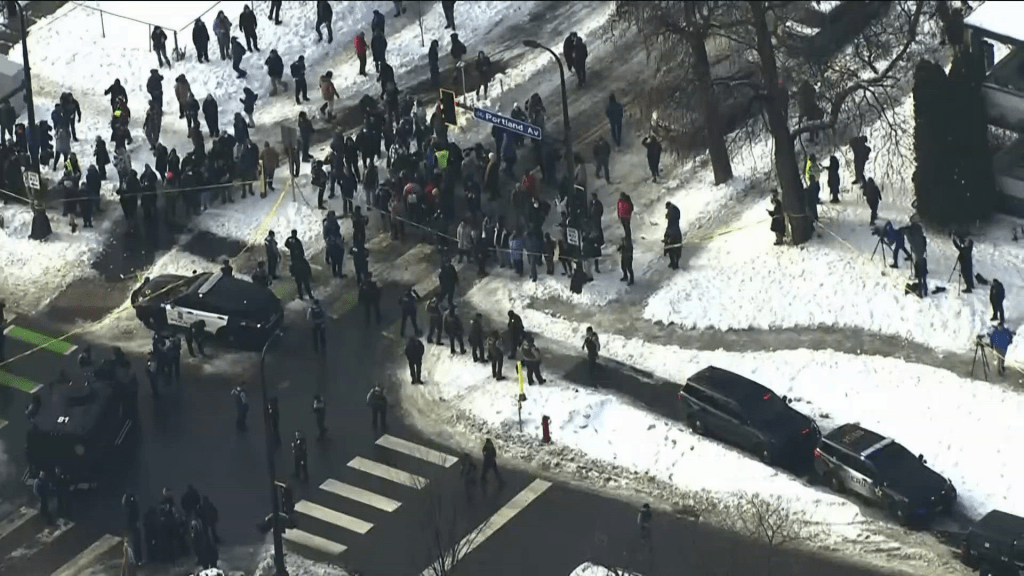
Minneapolis ICE Shooting Ignites a New Flashpoint—And Raises Hard Questions About Protest Tactics and Political Rhetoric
The Minneapolis ICE shooting is a tragedy—but it’s also a warning. When protests shift from speech to physical obstruction, and elected leaders amplify incendiary rhetoric, split-second encounters can spiral into irreversible outcomes.
-
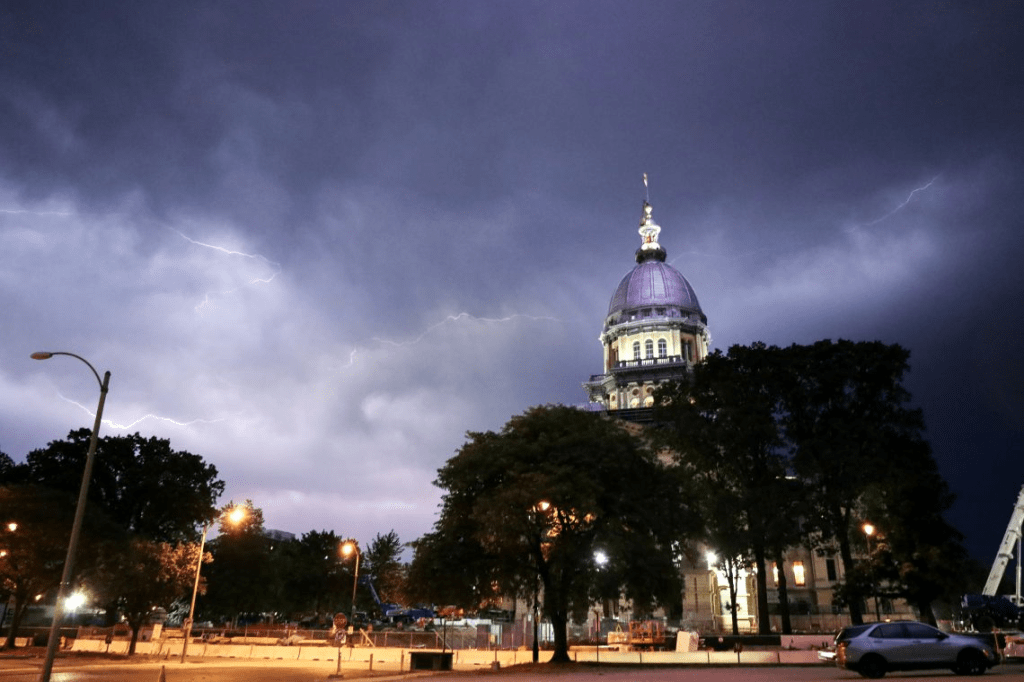
Illinois PPP Loan Fraud Scandal Exposes Deeper Problems of Oversight and Public Trust
An investigation by the Chicago Tribune reveals widespread fraud involving government employees in Illinois who improperly obtained Paycheck Protection Program loans intended for small businesses during COVID-19. The findings highlight systemic failures in oversight and accountability, prompting concerns about public trust and the future of emergency spending policies.
-

Top 5 Biggest Scandals and News Stories That Rocked Wisconsin in 2025
From a record-breaking Supreme Court election and a federal judge’s conviction to historic flooding, soaring school property taxes, and a shocking campus tragedy, 2025 exposed deep cracks in Wisconsin’s institutions—raising urgent questions about accountability, governance, and public trust across the Badger State.
-

Ohio Family Court Scandal Deepens Trust Crisis in Domestic Relations System
Leslie Ann Celebrezze’s resignation and felony charge for tampering with court records have sparked nationwide concerns about integrity in family courts. Accusations include bias in case assignments and undisclosed romantic ties to a court receiver. The scandal highlights the need for reform in court practices to restore public trust and accountability.
-

Wisconsin Judge Convicted of Obstruction Raises Hard Questions About Power, Process, and the Rule of Law
A federal jury convicted Milwaukee County Circuit Judge Hannah Dugan of felony obstruction of justice, reigniting debates about judicial authority and immigration enforcement. Dugan’s actions to shield an undocumented immigrant from arrest raised concerns about a judge’s impartiality and the integrity of the legal system. Appeals are anticipated.
-
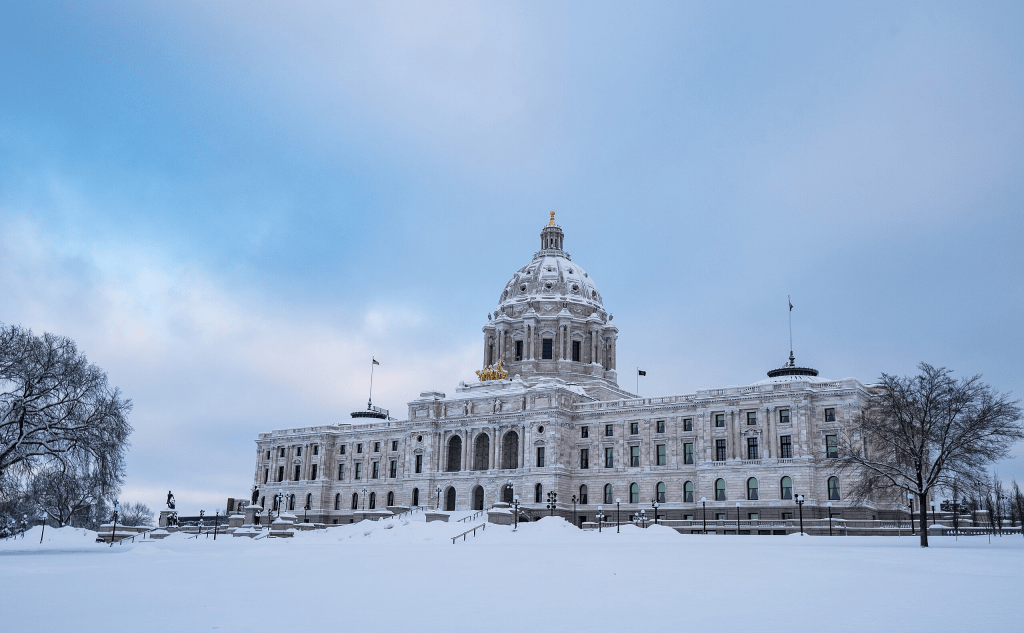
Minnesota Child Welfare Reform Hits Constitutional Roadblock, Raising National Questions
A Minnesota child welfare reform aimed at reducing racial disparities in foster care faces constitutional challenges. A court ruling found that the state’s phased rollout violates the Equal Protection Clause, limiting protections based on race. While not entirely struck down, this decision raises significant legal questions about race-based policies in child welfare reform.
 Wisconsin Bay News