By Michael Phillips | WIBayNews
Western Wisconsin lawmakers are making a calculated push to bring high-paying tech investment into the state—while drawing a firm line against higher electricity bills for families and small businesses.
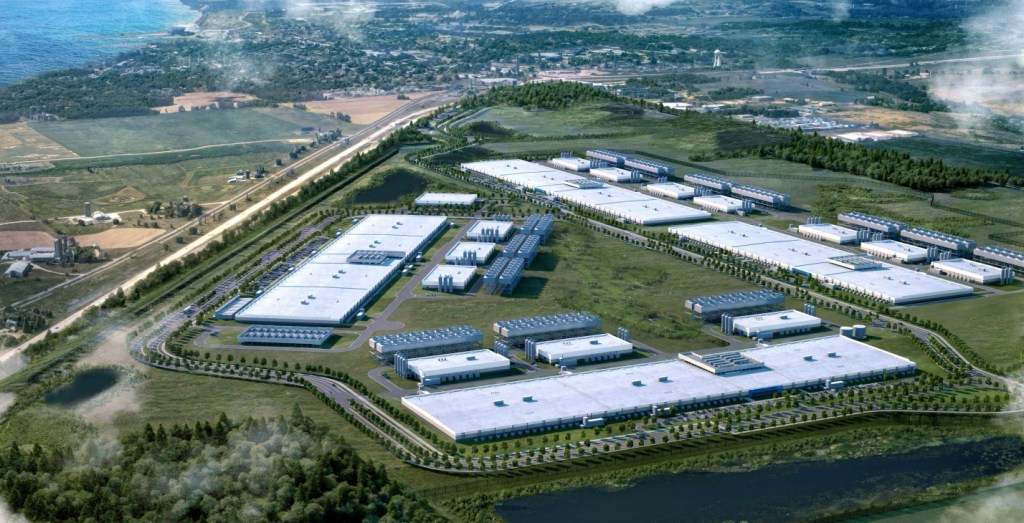
A newly introduced bill from Shannon Zimmerman and Romaine Quinn targets one of the fastest-growing sectors in the U.S. economy: large-scale data centers. These facilities, which power artificial intelligence, cloud computing, and major online platforms, consume enormous amounts of electricity and water. Without clear rules, those costs often end up passed on to everyday ratepayers.
The Wisconsin proposal aims to stop that before it starts.
Growth Without the Hidden Costs
At its core, the bill seeks to make Wisconsin competitive with states aggressively courting data centers—while protecting residents from the unintended consequences seen elsewhere. The legislation would prevent data center operators from shifting the cost of new power generation, grid upgrades, or transmission infrastructure onto utility customers through higher rates.
That approach reflects growing national concern that communities are subsidizing Big Tech through their monthly utility bills, even as companies reap billions in profits.
The bill also addresses water use, another growing pressure point. It would require data centers to rely on closed-loop cooling systems that recycle water rather than continuously drawing from local supplies. Operators would also be required to report their water usage annually, giving regulators and the public better visibility into the real environmental footprint of these projects.
A Market-Friendly, Consumer-First Approach
From a center-right perspective, the legislation strikes a notable balance. It does not block data centers outright or burden them with excessive red tape. Instead, it sets clear expectations: companies that want to build in Wisconsin must pay their own way.
That approach aligns with conservative principles of fiscal responsibility and fairness. Economic development should not mean hidden taxes on families, retirees, or small businesses who have no connection to massive server farms drawing power around the clock.
Western Wisconsin’s cooler climate, available land, and existing infrastructure make it an attractive target for tech investment. This bill attempts to ensure those advantages translate into real local benefits—jobs, tax base growth, and long-term investment—without socializing the costs.
Learning From Other States’ Mistakes
Across the country, states that rushed to approve data centers are now grappling with rising utility rates, water strain, and public backlash. Wisconsin lawmakers appear intent on avoiding that path by setting guardrails early, before large projects reshape local energy systems.
While the proposal is still in its early stages and has yet to draw organized opposition, it reflects a broader shift in how states approach tech-driven economic development: welcoming innovation, but no longer writing blank checks.
For Wisconsin ratepayers, that could mean growth without the shock to their monthly bills—and for lawmakers, a test case in how to do pro-business policy without leaving taxpayers holding the bag.
 Wisconsin Bay News
Leave a comment