By Michael Phillips | WIBayNews
Wisconsin families are still paying for power plants that no longer generate electricity—and that reality is shaping a growing debate over the state’s energy future.
A new investigation by Wisconsin Watch highlights how utility customers remain on the hook for nearly $1 billion in “stranded assets” tied to retired or soon-to-retire coal-fired power plants. At the same time, Wisconsin is experiencing a surge of proposed electricity-hungry data centers driven by artificial intelligence and cloud computing, raising concerns that history could repeat itself if growth is mismanaged.
For concerned citizens, the issue isn’t whether Wisconsin should grow—but whether it can do so without sticking ratepayers with the bill.
The Cost of Yesterday’s Energy Decisions
Over the past two decades, utilities invested heavily in coal plants such as Pleasant Prairie and Oak Creek, often with regulatory approval and in response to federal environmental mandates. When cheaper natural gas, renewables, and flat demand made those plants uneconomic, they were shut down early—but the debt remained.
Under Wisconsin’s regulatory system, utilities are still allowed to recover those costs from customers, plus a guaranteed return. For example:
- Pleasant Prairie, closed in 2018, will continue costing ratepayers hundreds of millions into the 2030s.
- Oak Creek, set to retire in 2026, is expected to add roughly $30 per year to the average household’s bill for nearly two decades.
Utilities argue that early retirements ultimately saved customers money by avoiding high operating and pollution-control costs. Critics counter that the lack of long-term statewide planning allowed overbuilding that left families holding the bag.
Both points can be true—and both matter going forward.
Data Centers: Opportunity Meets Risk
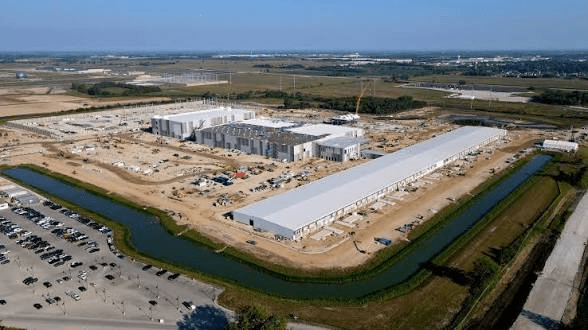
Wisconsin is now positioning itself as a Midwestern hub for data centers, with projects proposed or underway in Mount Pleasant, Port Washington, Menomonie, and Dane County. These facilities promise:
- Thousands of union construction jobs
- Long-term, high-skill technical employment
- Major property tax revenue for local schools and services
- Redevelopment of former industrial sites, including the long-troubled Foxconn property
For communities that have seen manufacturing decline, the appeal is obvious.
But data centers also consume enormous amounts of electricity—sometimes rivaling entire cities. If projected demand doesn’t materialize or technology shifts rapidly, utilities could once again overbuild generation capacity, creating new stranded assets.
That risk is what worries many residents—and what deserves serious attention from policymakers.
A Center-Right Case for Guardrails, Not Growth Halts
From a center-right perspective, the answer is not blanket moratoriums or anti-growth policies. Wisconsin competes nationally for investment, and other states are eager to take these projects if Wisconsin says no.
Instead, responsible growth means clear rules and accountability:
- Cost containment: Data centers should pay the full cost of the infrastructure they require through special utility rates or contracts, not hidden subsidies.
- Risk allocation: Investors—not families—should bear the downside risk if demand projections fail.
- Transparency: Public Service Commission proceedings must allow real public scrutiny before new generation is approved.
- Modern planning tools: Wisconsin should revisit integrated resource planning and smarter refinancing options to reduce long-term costs.
Economic development and consumer protection don’t have to be enemies. Done right, they reinforce each other.
Learning From the Past
Wisconsin’s stranded coal plants are a reminder that even well-intentioned decisions can have long-term consequences. As the state embraces a high-tech future, it must apply those lessons with discipline.
Growth, jobs, and innovation are essential—but so is ensuring that ratepayers aren’t left paying for yesterday’s optimism tomorrow.
The coming years will test whether Wisconsin can strike that balance. Concerned citizens would be wise to stay engaged—because energy decisions made today will show up on utility bills for decades to come.
 Wisconsin Bay News
Leave a comment